

H4_W6A_006
Date: May-22
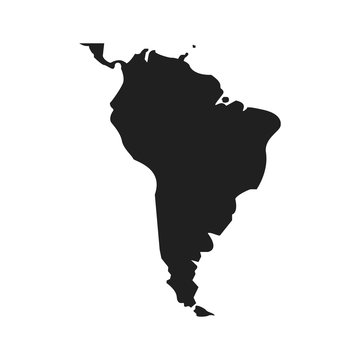
Location: Costa Rica
Did you know?
The Volcano Hummingbird, scientifically known as Selasphorus flammula, is a captivating bird species found in the high-altitude regions of Central America, particularly in the volcanic areas of Costa Rica and western Panama. As its name suggests, this hummingbird species is associated with volcanic habitats and is uniquely adapted to survive in challenging environments. The Volcano Hummingbird is well adapted to the high-altitude conditions, where temperatures can be cold and oxygen levels lower. Their metabolic rates and wing beats are higher compared to other hummingbird species, enabling them to survive in these extreme environments. Conservation efforts are crucial to protect the Volcano Hummingbird's unique habitat. Climate change, habitat loss, and human disturbances pose threats to their populations. Preserving their volcanic habitats, establishing protected areas, and promoting sustainable practices are essential for the continued survival of the Volcano Hummingbird and the ecological balance of these unique ecosystems.
About the picture
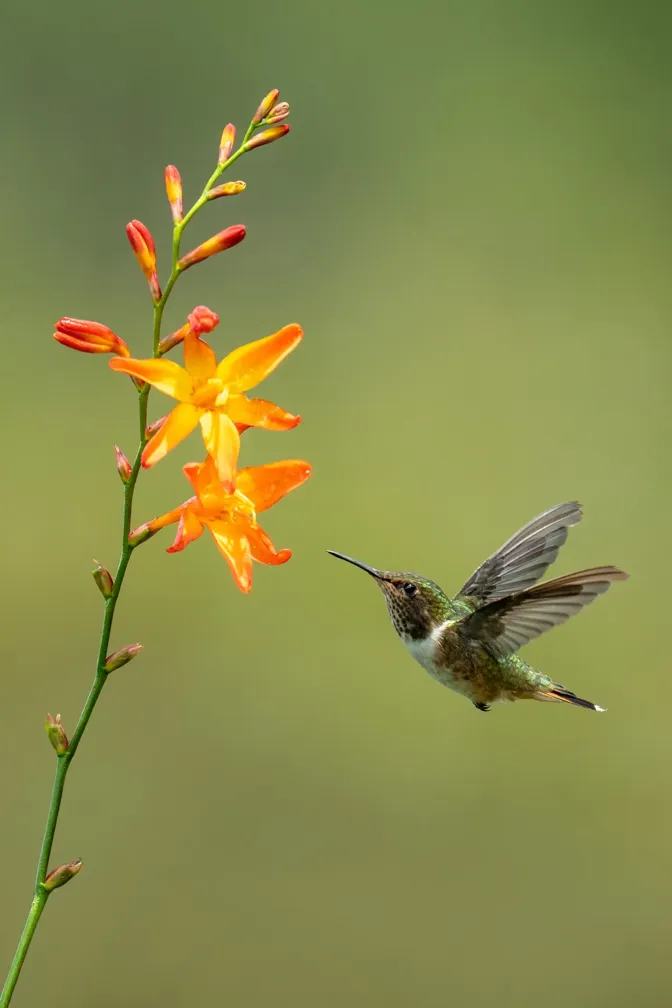
The Volcano Hummingbird is one of the smallest hummingbird species, with males averaging about 7 centimeters in length. It displays a predominantly green plumage, with males featuring a brilliant red or orange throat patch, known as a gorget. Females have a more subdued coloring with grayish underparts. These hummingbirds are known for their exceptional flight abilities, including hovering, backward flight, and rapid changes in direction. They feed on nectar from a variety of flowering plants, using their long, slender bills to reach deep into the flowers.
Fun Fact
Hummingbirds have no sense of smell. While they can’t sniff out feeders, they do have good color vision